Island of the Blue Dolphins: A Comprehensive Exploration
Island of the Blue Dolphins is available as a free PDF download, published by Gero Prado on August 15, 2022, boasting over 32,401 views.
Formats include ABBYY GZ, DAISY for accessibility, EPUB, and FULL TEXT options, offering diverse reading experiences for all users, with 50 pages.
Historical Context of the Novel
Island of the Blue Dolphins, while a work of fiction, draws heavily from the documented history of the Nicoleño people, the Native American inhabitants of San Nicolas Island, one of the Channel Islands of California. The novel’s inspiration stems from the true story of Juana Maria, a Nicoleño woman who was left alone on the island for eighteen years after her tribe evacuated in 1835 due to conflict with Russian fur hunters.
The digital availability of the novel, including the PDF version published in 2022, allows for wider access to this historically-rooted narrative. The PDF, identified with ark:/13960/t9s224x13, facilitates research and study of the novel’s connection to the real-life experiences of the Nicoleño. The story reflects the devastating impact of colonization and the resilience of Indigenous populations.
The accessibility of the PDF, offering formats like DAISY and EPUB, ensures that this important historical fiction can reach a broader audience, fostering understanding and appreciation for the Nicoleño people’s legacy.
Scott O’Dell: Author Biography
Scott O’Dell (1898-1989) was a prolific American writer, renowned for his young adult historical fiction. Though he authored over twenty novels, he is most celebrated for Island of the Blue Dolphins, which earned him the Newbery Medal in 1961. O’Dell’s writing frequently explored themes of isolation, survival, and the clash between cultures, often drawing inspiration from historical events and Native American experiences.
The enduring popularity of Island of the Blue Dolphins is reflected in its continued publication and availability in various formats, including the 2022 PDF edition. This digital accessibility allows new generations to discover O’Dell’s compelling storytelling and his sensitive portrayal of Karana’s resilience.
O’Dell’s work, including the readily available PDF, continues to be studied in classrooms, prompting discussions about history, literature, and the importance of preserving cultural narratives. His legacy as a masterful storyteller remains strong, facilitated by the widespread access to his work.
Publication History and Editions
Island of the Blue Dolphins was first published in 1960 by Houghton Mifflin. Its immediate success led to numerous printings and translations, establishing it as a classic of children’s literature. The novel’s enduring appeal is evidenced by its continued publication in various editions, including a recent PDF version released on August 15, 2022, by Gero Prado.
This digital edition, accessible online, offers convenient access to the story for students, educators, and readers worldwide. The PDF boasts over 32,401 views and is available in multiple formats – ABBYY GZ, DAISY, EPUB, and full text – catering to diverse reading preferences and accessibility needs.
Furthermore, editions like the 2016 University of California Press release (ISBN 9780520289376) demonstrate ongoing scholarly interest. The availability of the PDF ensures the novel’s continued relevance in the digital age, preserving O’Dell’s work for future generations.
The Setting: The Channel Islands of California
Island of the Blue Dolphins vividly portrays the beauty and isolation of the Channel Islands off the coast of California. The novel’s setting is inspired by San Nicolas Island, one of the eight islands comprising the archipelago. This remote location, shaped like a basking fish, is characterized by dramatic coastlines, kelp beds, and stony beaches – a landscape crucial to Karana’s survival.
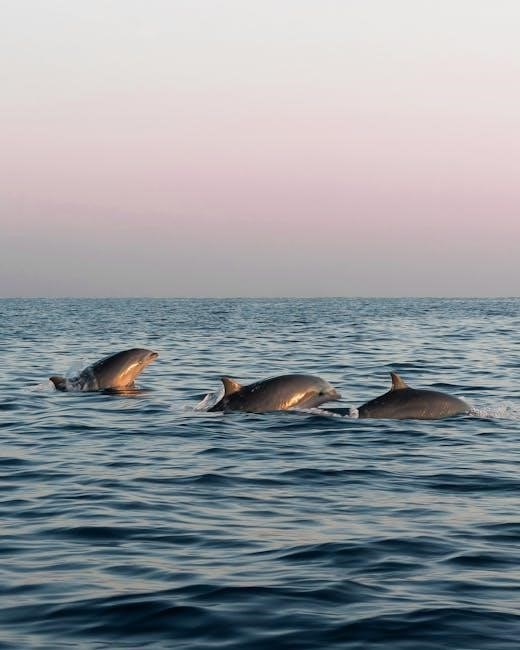
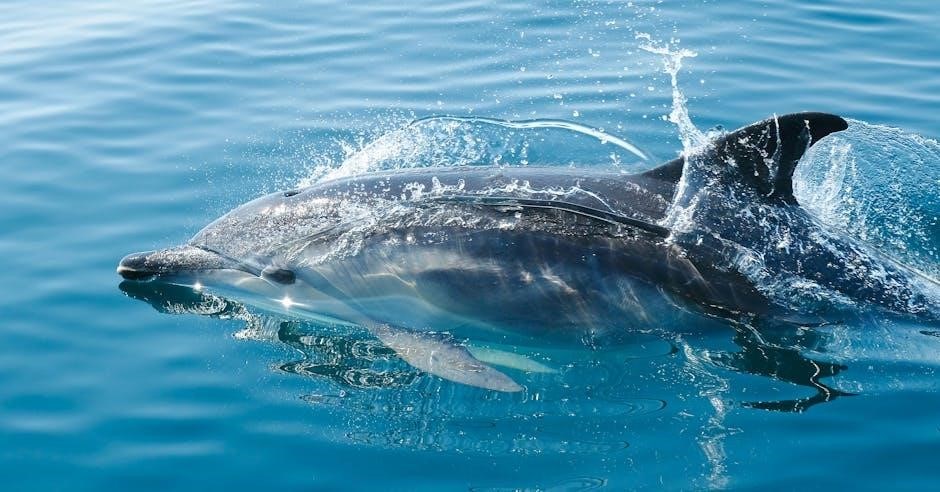
The PDF version of the novel allows readers to immerse themselves in this environment through O’Dell’s descriptive prose. The islands teem with marine life, including playful otters, majestic sea elephants, and, most notably, the vibrant blue dolphins that give the story its title.
Accessing the story via digital formats like the 2022 Gero Prado PDF enhances appreciation for the setting, offering a portable and accessible way to explore this unique ecosystem alongside Karana’s journey. The island’s remoteness is a central theme, powerfully conveyed through the narrative and readily experienced through the readily available PDF.
Native American History and the Nicoleño People
Island of the Blue Dolphins is rooted in the true story of Juana Maria, the last surviving member of the Nicoleño people, who inhabited San Nicolas Island. The novel, accessible in its 2022 PDF edition, offers a fictionalized account of their displacement and struggle for survival following contact with Russian and American hunters.
The Nicoleño, a Chumashan-speaking group, possessed a rich culture deeply connected to the island’s resources. The PDF version allows readers to contemplate the historical context of Karana’s isolation, understanding it as a consequence of colonization and the devastating impact on Indigenous populations.
While a work of fiction, O’Dell’s novel, available for free download, prompts reflection on the Nicoleño’s fate and the loss of their traditional way of life. The digital format facilitates wider access to this poignant story, encouraging engagement with a crucial, often overlooked, chapter of California’s history and the plight of its original inhabitants.
Plot Summary and Key Themes
The PDF of Island of the Blue Dolphins details Karana’s eighteen years of solitude, survival, and self-discovery on a remote Pacific island after tragedy strikes.
Detailed Plot Overview
The PDF version of Island of the Blue Dolphins meticulously recounts Karana’s harrowing journey. Initially, the story unfolds with her family’s life on the Channel Islands, disrupted by the arrival of Aleut hunters. Following a tragic conflict, Karana is left stranded when her brother Ramo is killed attempting rescue.
The narrative then focuses on Karana’s resourceful adaptation to island life. She builds shelter, hunts for food, and crafts tools, demonstrating remarkable resilience. The PDF highlights her evolving relationships with the island’s wildlife – dolphins, otters, and sea elephants – becoming integral to her survival and companionship.
Throughout the eighteen years detailed in the PDF, Karana faces loneliness, grief, and the constant struggle against the elements. The story culminates in a poignant encounter with a captain, offering a potential return to civilization, though her decision remains ambiguous, leaving a lasting impression on readers.
Karana’s Journey of Survival
The PDF vividly portrays Karana’s extraordinary adaptation to solitude. Abandoned on the island, she swiftly learns to construct a secure dwelling and master essential survival skills – hunting, fishing, and crafting tools from natural resources. The detailed descriptions within the PDF emphasize her ingenuity and unwavering determination.
Her journey isn’t merely physical; it’s a profound emotional and psychological transformation. The PDF illustrates Karana’s initial despair evolving into a quiet strength, fostered by her connection with the island’s ecosystem. She develops unique bonds with animals, finding solace in their presence and learning from their behaviors.
The downloadable version highlights Karana’s resilience in overcoming challenges, from building defenses against wild dogs to enduring harsh weather conditions. Ultimately, her survival is a testament to the human spirit’s capacity for adaptation and the power of self-reliance, beautifully captured within the narrative.
Themes of Loneliness and Isolation
The PDF deeply explores the pervasive themes of loneliness and isolation experienced by Karana. Initially, her grief over separation from her brother, Ramo, and her tribe fuels an intense sense of abandonment, vividly depicted in the text. The downloadable version emphasizes how Karana’s hope for rescue gradually diminishes, intensifying her solitude.
However, the narrative doesn’t solely focus on despair. The PDF illustrates Karana’s evolving relationship with the island itself, finding companionship in the natural world – the dolphins, otters, and sea elephants. These connections, though not human, mitigate her feelings of utter isolation.
The story, accessible through the PDF, demonstrates that loneliness can be a catalyst for self-discovery and resilience. Karana’s journey reveals how individuals can find strength within themselves even in the most profoundly isolating circumstances, ultimately forging a unique identity shaped by her experiences.
The Relationship Between Karana and the Natural World
The PDF version of Island of the Blue Dolphins vividly portrays Karana’s profound connection with the island’s ecosystem. Initially reliant on her skills for survival, she learns to coexist with, and even depend on, the island’s creatures. The narrative details her interactions with playful otters in the kelp beds and majestic sea elephants lounging on the beaches.
The downloadable text highlights Karana’s growing respect for the dolphins, whose presence becomes a source of comfort and companionship, symbolizing freedom and resilience; She observes their behaviors, learns their patterns, and develops a unique bond with them.
This relationship isn’t merely one of utility; it’s a spiritual connection. The PDF emphasizes how Karana’s immersion in nature fosters self-reliance and a deep understanding of the island’s rhythms, ultimately shaping her identity and offering solace in her isolation. It’s a testament to the power of nature to heal and sustain.
Man vs. Nature: A Central Conflict
The PDF of Island of the Blue Dolphins showcases the core conflict between humanity and the natural world, initially sparked by the arrival of Aleut hunters. This intrusion disrupts the delicate balance of the island’s ecosystem and forces Karana into a struggle for survival against both human and natural threats.
The text details Karana’s efforts to protect herself from wild dogs and other predators, highlighting the harsh realities of island life. However, the conflict evolves beyond mere defense. Karana learns to adapt, utilizing her ingenuity to harness the island’s resources and coexist with its creatures.
The downloadable version reveals a nuanced portrayal; it’s not simply a battle against nature, but a complex negotiation. Karana’s journey demonstrates the consequences of disrupting the natural order and the potential for harmony when respect and understanding prevail, ultimately questioning the definition of ‘civilization’.
Character Analysis
The PDF reveals Karana’s profound transformation, showcasing her resilience and resourcefulness as she adapts to isolation. Her brother, Ramo, initially provides companionship and hope for rescue.
Karana: Protagonist and Development
The PDF version of Island of the Blue Dolphins meticulously details Karana’s remarkable evolution from a frightened young girl to a self-sufficient and resourceful woman. Initially, she’s defined by her familial bonds, particularly her longing for her brother, Ramo, and her hope for rescue – a sentiment vividly portrayed in the early chapters.
As the narrative unfolds, accessible through the downloadable PDF, Karana’s character undergoes a significant transformation. Forced into solitude, she learns to hunt, build shelter, and craft tools, demonstrating incredible adaptability. The PDF highlights her growing connection with the island’s natural world, forming unique relationships with animals like the dolphins, otters, and sea elephants.
This development isn’t without internal conflict, as the PDF illustrates her struggles with loneliness and grief. However, Karana’s resilience shines through, ultimately leading to a profound sense of self-discovery and independence. The PDF allows readers to trace this complex journey, appreciating the nuances of her character arc.
Ramo: Karana’s Brother and His Significance
The PDF edition of Island of the Blue Dolphins emphasizes Ramo’s crucial role as a catalyst for Karana’s initial emotional state and subsequent development. He represents connection, hope, and a life beyond the island’s isolation. His presence, detailed within the downloadable document, initially mitigates Karana’s loneliness, fueling her desire for rescue and a return to her tribe.
Ramo’s tragic fate – his pursuit of the Aleut hunters and subsequent death – profoundly impacts Karana, marking a turning point in her journey. The PDF illustrates how this loss forces her to confront her vulnerability and embrace self-reliance. His memory serves as both a source of grief and a motivation for survival.
While physically absent for much of the story, Ramo’s influence permeates Karana’s actions and thoughts, as clearly depicted in the PDF’s narrative. He embodies the life she’s lost and the future she desperately seeks, making him a pivotal figure in her transformation.
The Role of the Animals (Dolphins, Otters, Sea Elephants)
The downloadable PDF of Island of the Blue Dolphins vividly portrays the island’s fauna as integral to Karana’s survival and emotional well-being. The vibrant descriptions of blue dolphins, playful otters, and majestic sea elephants aren’t merely scenic; they represent companionship and a connection to the natural world.
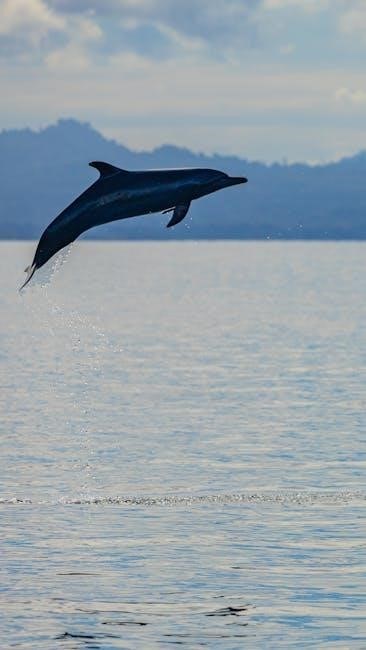
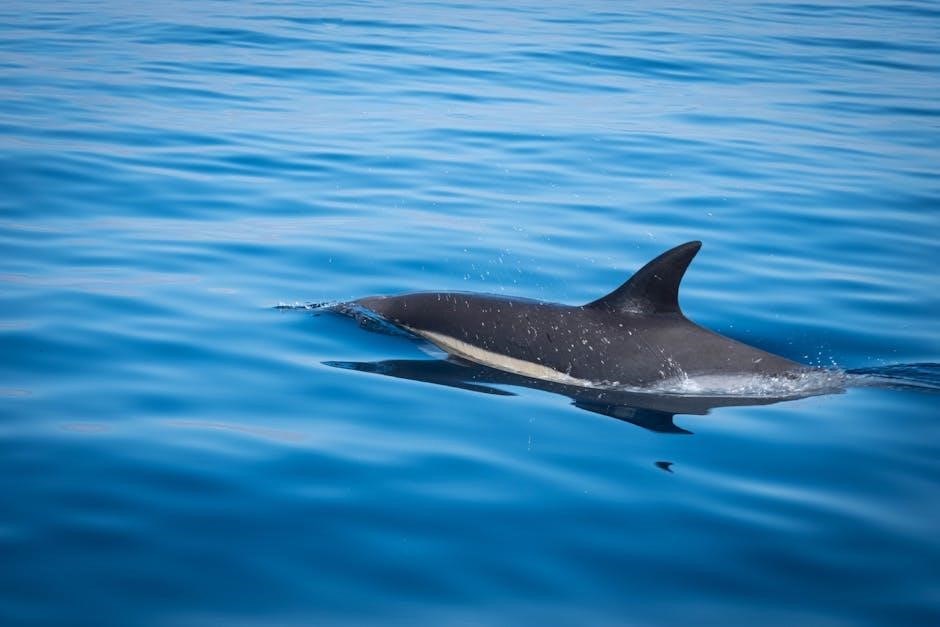
The dolphins, specifically, become Karana’s trusted companions, offering a sense of solace and reducing her profound isolation. The PDF highlights her developing relationship with them, showcasing a mutual understanding and respect. Otters provide a source of food and materials, while the sea elephants represent the island’s raw, untamed power.
These animals aren’t simply resources; they are characters in their own right, contributing to the novel’s themes of coexistence and the delicate balance between humanity and nature, as detailed within the accessible PDF version.
Literary Analysis
The PDF version facilitates detailed analysis of O’Dell’s narrative style, symbolism, and imagery, revealing the novel’s structure and pacing for enhanced comprehension.
Readers can explore these elements easily.
Narrative Style and Point of View
The PDF format allows for focused study of Scott O’Dell’s unique narrative approach in Island of the Blue Dolphins. The story is presented primarily through Karana’s first-person perspective, offering intimate access to her thoughts, feelings, and observations as she navigates isolation and survival.
This perspective shapes the reader’s understanding of events, creating a deeply personal and emotionally resonant experience. The narrative unfolds with a lyrical quality, rich in descriptive language that vividly portrays the island’s natural beauty and Karana’s evolving relationship with it. Accessing the text via PDF enables close reading and annotation, facilitating analysis of O’Dell’s deliberate choices in language and structure.
Researchers and students can easily highlight key passages, track thematic developments, and examine how Karana’s voice contributes to the novel’s overall impact. The PDF’s search function further aids in identifying recurring motifs and analyzing the author’s stylistic techniques.
Symbolism in the Novel (The Island, The Dolphins)
The PDF version of Island of the Blue Dolphins facilitates a deeper exploration of the novel’s rich symbolism. The island itself transcends a mere setting, representing isolation, resilience, and the power of nature. Karana’s confinement mirrors a universal human experience of being set apart, forcing self-reliance and a re-evaluation of priorities.
The blue dolphins, prominently featured and readily searchable within the PDF, symbolize freedom, companionship, and a connection to the natural world. Their playful presence offers Karana solace and a reminder of life beyond her solitude. The PDF allows for easy cross-referencing of dolphin appearances, revealing their consistent association with moments of hope and emotional release.
Analyzing these symbols within the accessible PDF format enhances understanding of O’Dell’s thematic concerns, highlighting the interplay between humanity and the environment, and the enduring strength of the human spirit.
Use of Imagery and Descriptive Language
The PDF version of Island of the Blue Dolphins allows for focused study of Scott O’Dell’s masterful use of imagery and descriptive language. The text vividly portrays the Channel Islands’ landscape – “shaped like a giant fish basking in the sun,” with “vibrant life of blue dolphins, playful otters, and majestic sea creatures.”
Readers can easily highlight and analyze passages detailing Karana’s surroundings, noting how O’Dell employs sensory details to evoke a strong sense of place. The PDF’s search function facilitates tracking recurring images, like the sea elephants “loll[ing] on the stony beaches,” revealing their symbolic weight.
This detailed imagery isn’t merely decorative; it underscores themes of isolation, survival, and the beauty of the natural world. The PDF format enables close reading, revealing how O’Dell’s language shapes the reader’s emotional response to Karana’s journey.
The Novel’s Structure and Pacing
The PDF version of Island of the Blue Dolphins facilitates a detailed examination of the novel’s structure and pacing. The narrative unfolds chronologically, detailing Karana’s eighteen years of solitude, allowing readers to meticulously track the shifts in her experience.
The PDF’s accessibility allows for easy navigation, enabling readers to observe how O’Dell strategically varies the pace. Periods of intense action, like building her shelter or defending herself, are interspersed with quieter, reflective moments, mirroring Karana’s emotional state.
Analyzing the chapter lengths and content within the PDF reveals a deliberate structure. The initial chapters establish the conflict and Karana’s abandonment, while later sections focus on her adaptation and evolving relationship with the island. This structure enhances the novel’s thematic resonance and emotional impact.
Educational Resources and Adaptations
The PDF of Island of the Blue Dolphins serves as a valuable educational resource, offering full text and accessibility options like DAISY and EPUB.
LitLink Gr. 4-6 supports classroom use.
Island of the Blue Dolphins: LitLink Gr. 4-6
LitLink Gr. 4-6 provides a comprehensive companion to Scott O’Dell’s classic novel, Island of the Blue Dolphins, enhancing the educational experience for students in grades four through six.
This resource, available for download, offers a complete reader’s edition designed to foster a deeper understanding of the story’s themes and characters. It includes 60 classroom-reproducible pages, making it ideal for teachers seeking engaging and effective supplementary materials.
The PDF version (ISBN 9781770728085) facilitates easy access and integration into lesson plans. Students can explore Karana’s journey of survival and self-discovery with the aid of included answer keys and structured activities. The resource supports critical thinking and literary analysis, aligning with curriculum standards and promoting a richer appreciation for this Newbery Medal-winning novel.
It’s a valuable tool for both individual study and collaborative classroom projects.
Classroom Activities and Discussion Questions
Utilizing the Island of the Blue Dolphins PDF unlocks a wealth of classroom engagement opportunities. Teachers can leverage the text to spark discussions about themes of loneliness, resilience, and the relationship between humanity and nature.
Activities could include character analysis exercises focusing on Karana’s development, map-making of the island based on textual descriptions, and creative writing prompts imagining life from the perspective of the island’s animals.
Discussion questions might explore Karana’s motivations, the impact of isolation on her personality, and the symbolism of the dolphins and other wildlife. Analyzing O’Dell’s descriptive language and narrative style also provides valuable learning experiences.
Furthermore, students can research the historical context of the Nicoleño people and the Channel Islands, fostering a deeper understanding of the novel’s origins and cultural significance. The PDF’s accessibility allows for diverse learning approaches.
Availability of the PDF Version (2022 Publication)
The Island of the Blue Dolphins PDF version, published on August 15, 2022, by Gero Prado, is readily accessible online. It has garnered significant attention, evidenced by over 32,401 views, indicating its popularity as a digital resource.
Multiple download options cater to diverse user needs, including formats like ABBYY GZ, DAISY (designed for users with print disabilities), EPUB, and a full-text download. This ensures broad accessibility for students, educators, and avid readers alike.
The PDF is available through various online platforms, offering a convenient and cost-effective way to engage with Scott O’Dell’s classic novel. Its digital format facilitates easy sharing and integration into educational curricula.
Users are encouraged to support publishers by respecting copyright and seeking authorized sources for the PDF to ensure continued availability of this valuable literary work.
Accessibility Options (DAISY, EPUB, Full Text Downloads)
Recognizing the importance of inclusive reading experiences, the Island of the Blue Dolphins PDF offers several accessibility options. Beyond the standard PDF and ABBYY GZ formats, users can download the text in DAISY format, specifically designed for individuals with print disabilities, enabling text-to-speech functionality and customizable display settings.
The EPUB version provides reflowable text, adapting to various screen sizes and devices, enhancing readability on e-readers and tablets. A full-text download option is also available, allowing for comprehensive searching and analysis of the novel’s content.
These diverse formats demonstrate a commitment to making this classic literature accessible to the widest possible audience, ensuring that all readers can enjoy Karana’s compelling story of survival and resilience.
These options promote equitable access to education and literature, fostering a more inclusive reading community.