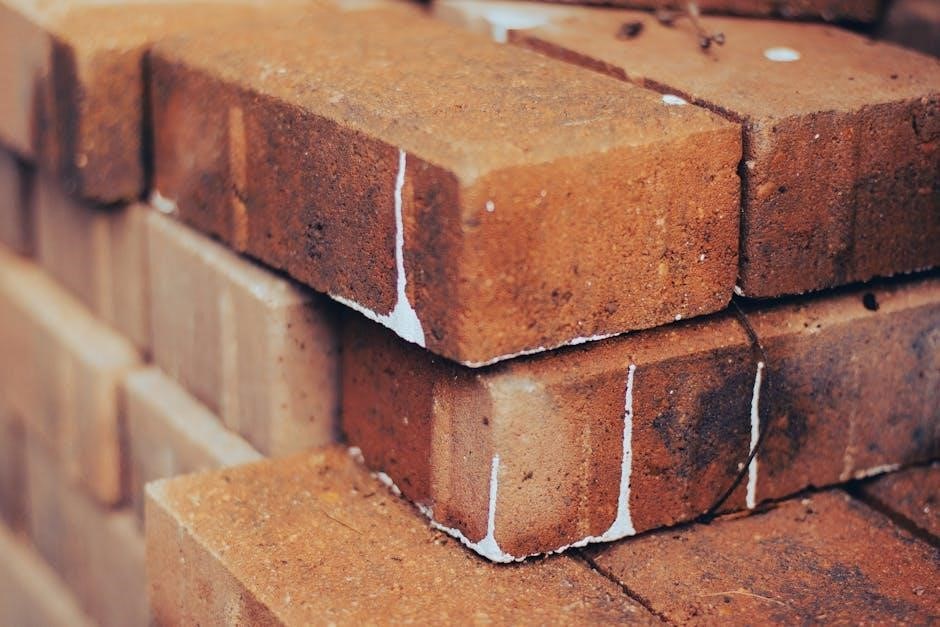
Building Construction Illustrated, a visual guide, delivers the latest materials, methods, and systems—updated for its 7th edition; It explores basic truths and principles․
Understanding fundamental concepts—like foundations and load paths—is crucial․ This edition emphasizes modularity, anticipating change, and a general, incremental approach to construction․
Overview of the 7th Edition
This 7th edition of Building Construction Illustrated represents a significant update to the leading visual guide in the field, continuing its four-decade legacy of clarity and comprehensive coverage․ The core fundamentals remain, focusing on essential principles that underpin successful building practices; However, substantial revisions reflect the rapidly evolving landscape of construction materials and methods․
Key updates include expanded sections on sustainable building practices and green building technologies, acknowledging the increasing importance of environmental responsibility․ New material addresses advancements in concrete mix designs, steel grades, and wood product applications․ The edition also incorporates detailed illustrations and explanations of modern framing systems, exterior wall construction techniques, and roofing systems․
Furthermore, the 7th edition emphasizes a holistic understanding of building systems, highlighting the interconnectedness of various components and their impact on overall structural stability and performance․ It reinforces the importance of fundamental principles like load paths, moisture control, and the building envelope, providing a solid foundation for both students and professionals․
Importance of Understanding Construction Materials and Methods
A robust grasp of construction materials and methods is fundamental to successful building projects․ It’s not merely about knowing what materials are used, but why – understanding their properties, limitations, and appropriate applications․ This knowledge forms the basis for informed decision-making, ensuring structural integrity, durability, and cost-effectiveness․
Without this understanding, designs can be compromised, leading to potential failures and costly rework․ Knowing the fundamentals – from concrete mix designs to steel grades and wood types – allows professionals to anticipate challenges, optimize performance, and innovate effectively․ It also facilitates collaboration between architects, engineers, and contractors․
Furthermore, a deep understanding of materials and methods is crucial for embracing sustainable practices․ Selecting appropriate materials and employing efficient construction techniques minimizes environmental impact and promotes long-term building performance․ This edition emphasizes these core principles, equipping readers with the knowledge to build responsibly and effectively, building upon a solid foundation․
Foundations and Substructures
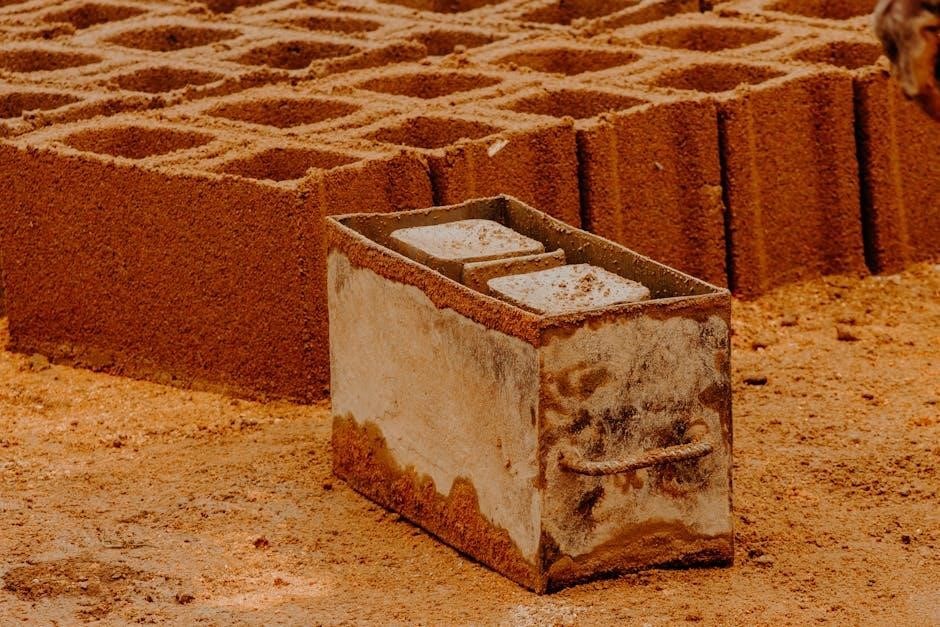
Foundations, the bedrock of any structure, transfer loads to the earth․ Understanding soil mechanics and bearing capacity is fundamental, dictating foundation type—shallow or deep․
Types of Foundations: Shallow vs․ Deep
Foundations are categorized as either shallow or deep, determined by soil conditions and structural loads․ Shallow foundations, like spread footings, are economical and suitable when stable soil is near the surface․ They distribute the building’s weight over a larger area, minimizing settlement;
Conversely, deep foundations—including piles and caissons—are employed when surface soils lack sufficient bearing capacity․ These extend down to stronger, deeper strata․ Piles, driven or drilled into the ground, transfer loads through weak soils to competent material․ Caissons, large, watertight structures, are sunk into place and then excavated․
The selection hinges on a thorough understanding of soil mechanics and load requirements․ Factors considered include soil type, groundwater levels, and the building’s weight․ Proper foundation design is fundamental to structural stability and longevity, preventing settlement, cracking, and potential failure․ Careful analysis ensures a secure base for any construction project․
Soil Mechanics and Bearing Capacity
Soil mechanics is the study of soil’s physical and chemical properties, crucial for foundation design․ Understanding soil composition—sand, silt, clay, and organic matter—determines its behavior under load․ Key properties include grain size distribution, permeability, and shear strength․
Bearing capacity refers to the soil’s ability to support the weight of a structure without excessive settlement or shear failure․ It’s influenced by soil type, density, and moisture content․ Determining bearing capacity involves laboratory testing and field investigations, like soil borings and standard penetration tests․
A fundamental principle is that weaker soils have lower bearing capacities․ Engineers calculate allowable bearing pressure, a safe load limit, to prevent foundation failure․ Proper soil compaction and ground improvement techniques can enhance bearing capacity․ Accurate assessment is essential for ensuring structural integrity and preventing long-term settlement issues․
Concrete Fundamentals for Foundations
Concrete, a composite material of cement, aggregates, and water, is widely used in foundations due to its compressive strength and durability; Understanding mix designs – the proportions of each component – is fundamental․ Different mixes achieve varying strengths and workability․
Reinforcement, typically steel rebar, is crucial because concrete is weak in tension․ Rebar resists tensile forces, preventing cracking and enhancing structural integrity․ Proper placement and spacing of rebar are critical for optimal performance․
Key concrete properties include slump (workability), compressive strength (resistance to crushing), and permeability (resistance to water penetration)․ Foundations require careful consideration of these properties to withstand loads and environmental factors․ Proper curing – maintaining moisture and temperature – is essential for achieving desired strength․ Concrete’s fundamental role is providing a stable and lasting base․

Building Materials: Core Components
Core components—wood, steel, and concrete—form the building’s skeleton․ Understanding their properties is fundamental; each material offers unique strengths and applications in construction projects․
Wood: Types, Properties, and Applications
Wood, a historically significant and renewable building material, remains central to construction despite advancements in alternatives․ Its versatility stems from diverse types – softwood (like pine and fir) offering ease of workability, and hardwood (oak, maple) providing superior strength and durability․ Understanding these distinctions is fundamental․
Key properties include strength-to-weight ratio, natural insulation, and aesthetic appeal․ However, wood is susceptible to moisture, decay, and insect damage, necessitating proper treatment and preservation techniques․ Grading systems classify wood based on quality and structural integrity, ensuring appropriate application․
Applications range from framing and sheathing to finishes and decorative elements․ Light-frame construction heavily relies on wood studs and joists․ Engineered wood products, like plywood and laminated veneer lumber (LVL), enhance strength and dimensional stability․ Responsible forestry practices are crucial for sustainable wood sourcing, aligning with green building principles․ Considering these factors is fundamental for effective and responsible wood utilization․
Steel: Grades, Forms, and Structural Uses
Steel, renowned for its high strength and ductility, is a cornerstone of modern construction, particularly in large-scale and complex projects․ Various grades exist, categorized by their yield strength and composition – carbon steel being common, while alloy steels offer enhanced properties like corrosion resistance․ Understanding these distinctions is fundamental․
Steel is available in numerous forms: wide-flange beams, channels, angles, and plates․ These shapes are engineered to efficiently resist different types of loads․ Steel’s inherent properties allow for long spans and open interior spaces, crucial in commercial and industrial buildings․ Fabrication techniques, like welding and bolting, connect steel members to create robust structural frameworks․
Its primary structural uses include framing, columns, and bracing systems․ Steel’s ability to withstand tensile and compressive forces makes it ideal for resisting wind and seismic loads․ Fireproofing is essential, as steel loses strength at high temperatures; Sustainable practices involve utilizing recycled steel content, minimizing environmental impact․ Proper detailing and corrosion protection are fundamental for long-term performance․
Concrete: Mix Designs, Properties, and Reinforcement
Concrete, a composite material of cement, aggregates, water, and admixtures, forms the backbone of many structures․ Fundamental to its performance is the mix design – carefully proportioning ingredients to achieve desired strength, workability, and durability․ Different concrete mixes cater to specific applications, from foundations to high-rise columns․
Key properties include compressive strength, tensile strength (relatively low), and durability against weathering and chemical attack․ Concrete’s strength develops over time through hydration․ However, its weakness in tension necessitates reinforcement, typically with steel rebar․ This creates reinforced concrete, a powerful structural material․
Rebar resists tensile forces, enhancing the overall load-carrying capacity․ Proper placement and detailing of rebar are critical․ Concrete also benefits from admixtures – chemicals added to modify properties like setting time, workability, or freeze-thaw resistance․ Quality control during mixing, placement, and curing is fundamental to ensure long-term structural integrity and prevent cracking․

Building Systems and Methods
Building systems integrate framing—wood, steel, or concrete—with exterior walls and roofing․ Techniques vary based on material choices, impacting structural stability and envelope performance․
Framing Systems: Wood, Steel, and Concrete
Framing establishes a building’s skeletal structure, dictating load paths and overall stability․ Wood framing, historically dominant, utilizes dimensional lumber, engineered wood products, and traditional carpentry techniques․ It’s favored for its cost-effectiveness and ease of construction, particularly in residential applications․

Steel framing, employing cold-formed steel members, offers high strength-to-weight ratios and design flexibility․ It’s prevalent in commercial and industrial buildings, enabling larger spans and complex geometries․ Concrete framing, encompassing cast-in-place and precast systems, provides exceptional durability and fire resistance․
The selection of a framing system hinges on project-specific requirements, including structural loads, architectural design, budget constraints, and sustainability goals․ Fundamentals emphasize modularity and anticipating change, allowing for adaptable designs․ Each material demands specialized knowledge regarding connection details, code compliance, and proper installation procedures, ensuring structural integrity and long-term performance․
Exterior Wall Construction: Materials and Techniques
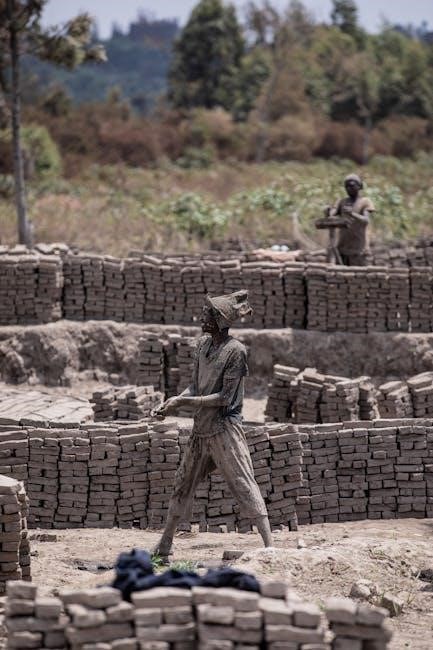
Exterior walls serve as a building’s primary defense against the elements, impacting thermal performance, moisture control, and structural stability․ Traditional materials like brick, stone, and wood siding offer aesthetic appeal and proven durability, but require careful detailing to prevent water intrusion․
Modern systems incorporate engineered materials such as fiber cement, metal panels, and composite cladding, providing enhanced performance characteristics and design versatility․ Techniques range from masonry construction and wood frame infill to light-frame steel and precast concrete panels․
Effective wall assemblies prioritize a robust building envelope, integrating insulation, vapor retarders, and air barriers to minimize energy loss and prevent condensation․ Fundamentals stress anticipating change and a general approach to detailing, accommodating movement and potential future modifications․ Proper flashing, weep holes, and sealant application are critical for long-term weather resistance and preventing structural damage․
Roofing Systems: Types, Materials, and Installation
Roofing systems are crucial for protecting a building’s interior from weather, providing structural support, and contributing to energy efficiency․ Choices range from traditional asphalt shingles – cost-effective and widely available – to more durable options like metal roofing, tile, and slate․
Modern systems include single-ply membranes (TPO, PVC) and built-up roofing (BUR), often used in commercial applications․ Proper installation is paramount, requiring attention to underlayment, flashing details around penetrations, and adequate ventilation to prevent moisture buildup․
Fundamentals emphasize a layered approach, integrating waterproofing, thermal insulation, and a durable wearing surface․ Anticipating change and employing a general, incremental approach allows for future repairs or modifications․ Effective roof design considers climate, building geometry, and long-term performance, ensuring a watertight and energy-efficient enclosure․
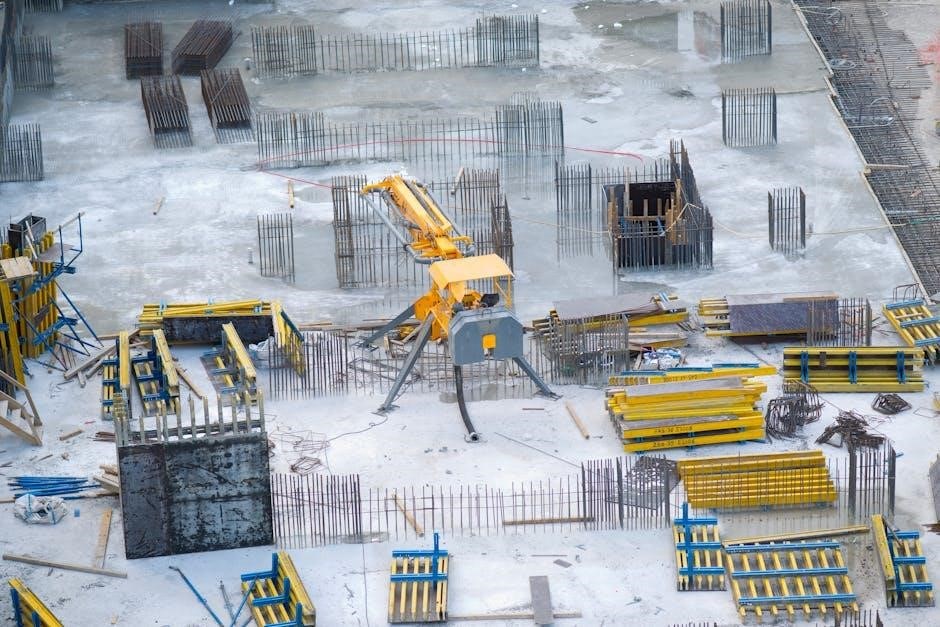
Essential Construction Principles
Essential principles include load paths, structural stability, and moisture control․ A building envelope must prioritize sustainability and green building practices for long-term performance․
Load Paths and Structural Stability
Structural stability hinges on understanding how loads—weight from occupants, materials, environmental factors—travel through a building․ These load paths begin at the roof and progressively transfer weight downwards, through walls, floors, and ultimately to the foundations․
A fundamental principle is ensuring each element can adequately support the loads imposed upon it․ Failure at any point along this path compromises the entire structure․ Materials like wood, steel, and concrete each possess unique load-bearing capabilities, dictating their appropriate application․
The 7th edition emphasizes a holistic view, recognizing that seemingly minor details—connections, material properties, construction sequencing—significantly impact overall stability․ Understanding these fundamentals is paramount for safe and durable construction․ Proper detailing and adherence to building codes are essential to maintain integrity․
Furthermore, anticipating dynamic loads—wind, seismic activity—is crucial․ Structures must be designed to resist these forces, ensuring continued stability under stress․ A well-defined load path is the cornerstone of a resilient building․
Moisture Control and Building Envelope
The building envelope – walls, roof, foundation – is the primary defense against moisture intrusion․ Effective moisture control is fundamental to preventing structural damage, mold growth, and maintaining indoor air quality․ Understanding how water interacts with building materials is crucial․
The 7th edition highlights the importance of a layered approach, incorporating vapor retarders, air barriers, and proper drainage systems․ These components work in concert to manage water in its various forms – liquid, vapor, and condensation․
Materials’ permeability characteristics dictate their placement within the envelope․ For example, breathable membranes allow water vapor to escape, preventing buildup within wall cavities․ Proper flashing details around windows and doors are also essential to prevent leaks․
Ignoring moisture control leads to costly repairs and potential health hazards․ A robust building envelope, designed with fundamental principles in mind, ensures long-term durability and occupant well-being․ Careful material selection and meticulous installation are paramount․
Sustainability and Green Building Practices
Modern building construction increasingly prioritizes sustainability, minimizing environmental impact throughout a building’s lifecycle․ The 7th edition reflects this shift, emphasizing responsible material selection and energy-efficient design․
Green building practices encompass reducing resource consumption, improving indoor environmental quality, and minimizing waste․ This includes utilizing recycled content materials, optimizing building orientation for passive solar heating and cooling, and implementing water conservation strategies․
Life cycle assessment (LCA) is a key tool for evaluating the environmental footprint of building materials․ Choosing materials with lower embodied energy – the total energy required to extract, manufacture, and transport them – is crucial․

The edition also explores innovative technologies like green roofs, permeable pavements, and high-performance insulation․ Adhering to fundamental principles of durability and adaptability ensures buildings remain sustainable for generations․ A holistic approach, considering the entire building system, is essential for truly green construction․